Nenhum resultado encontrado.
Conteúdo

Encerrou sessão com sucesso.


Ainda não está registado?
Ajude a prevenir e tratar úlceras do pé diabético
A síndrome do pé diabético (SPD) é uma complicação comum do diabetes mellitus que afeta um em cada quatro doentes com diabetes em algum momento de sua vida. [1] O risco de desenvolver SPD aumenta com o tempo.
Os conteúdos e produtos que se seguem contêm informação especializada, destinando-se, nos termos da lei, exclusivamente a profissionais de saúde.
Ao confirmar que é um profissional de saúde, antes de entrar na página, reconhece ser detentor das qualificações técnicas e profissionais necessárias ao entendimento dos conteúdos disponibilizados, e da importância de os não divulgar a terceiros, assumindo integral responsabilidade pelo uso das informações a que vai aceder.
Sim, confirmo que sou profissional de saúde Sim, confirmo que sou profissional de saúde. Cancelar Não, não sou profissional de saúde.Uma consequência da SPD é a deterioração cutânea avançada ou ulceração do pé, que abrange todas as alterações resultantes de polineuropatia diabética, bem como das alterações micro e macroangiopáticas associadas à diabetes.
Os doentes podem ainda desenvolver o pé de Charcot, que é outra manifestação da SPD. O pé de Charcot é uma deformidade caracterizada pela deterioração do metabolismo ósseo associada à diabetes, que pode originar fraturas ósseas, luxações articulares, fusão de fragmentos ósseos e outras deformações complexas do pé. Outra designação para o pé de Charcot é osteoartropatia diabética.
O pé de Charcot diabético pode desenvolver-se sem ulceração do pé, mas está frequentemente associado a úlceras de pé diabético. As deformidades podem levar a úlceras por pressão devido à posição de pé ou à marcha, ou simplesmente quando os doentes utilizam calçado que não foi concebido para a anatomia específica do seu pé[1,2].
A diabetes pode afetar o sistema nervoso periférico de várias formas. Os doentes apresentam frequentemente dormência, formigueiro, dor e/ou fraqueza que se iniciam nos pés e aumentam o risco de úlceras nos pés. Isto deve-se ao uso de calçado apertado, meias abrasivas ou microtraumatismos inadvertidos na pele. Além disso, a resistência da pele ao trauma pode estar comprometida, uma vez que a função dos anexos cutâneos, incluindo folículos pilosos e glândulas sebáceas, se encontra alterada na neuropatia diabética. [3,4]
Outro fator de risco que contribui para a SPD é a angiopatia diabética. As artérias de maior calibre endurecem devido à fibrose, hipertrofia da média arterial, calcificação e vários outros processos (macroangiopatia). Também os pequenos vasos, especialmente a camada interna dos capilares, são afetados pelo diabetes, comprometendo a sua função (microangiopatia). Ambos podem contribuir de forma crítica para a SPD. [1,5,6,7]
Integridade da pele do pé

Sem lesão aberta; o doentes pode apresentar um pé gravemente deformado.
Manter a integridade cutânea

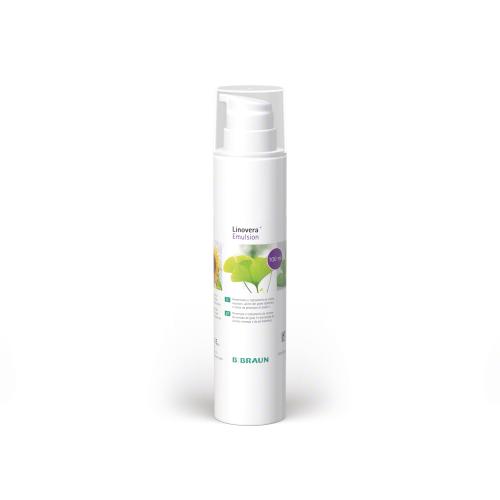
A formulação da Linovera® Emulsão, à base de ácidos gordos hiperoxigenados, ajuda a aumentar a resistência cutânea contra os agentes que causadores das úlceras do pé diabético, mantendo os níveis adequados da hidratação da pele.
Uma das principais prioridades no tratamento da síndrome do pé diabético é evitar a amputação. [8] Porque atualmente, a maioria de todas as amputações do pé e da perna inferior são realizadas em doentes com diabetes mellitus. Estima-se que as amputações ocorram 40 vezes mais frequentemente em doentes afetados por diabetes em comparação com doentes não diabéticos.[12]
Consoante a extensão das lesões nos tecidos, as úlceras do pé diabético podem ser categorizadas em cinco graus, cada um exigindo um tratamento específico. [10,11,12]

Úlcera superficial envolvendo toda a espessura da pele, sem atingir os tecidos subjacentes
Mantenha o leito da ferida limpo para permitir a formação de tecido de granulação
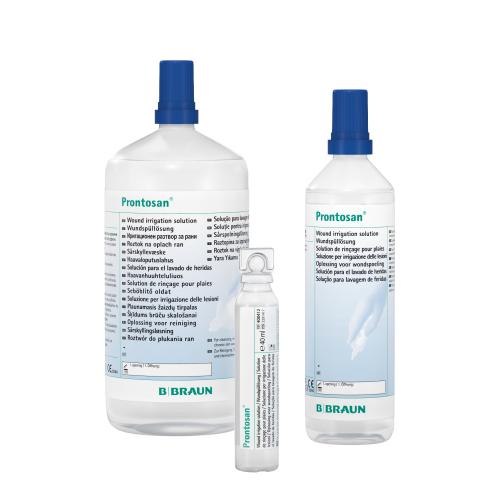
O Prontosan® solução é indicado para a limpeza, humedecimento e descontaminação de feridas agudas e crónicas.
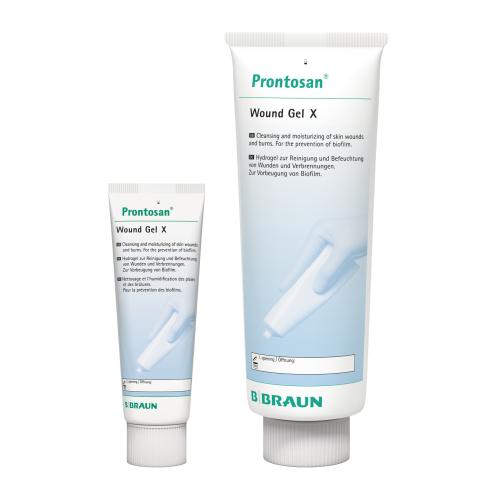
A utilização de Prontosan® Gel X proporciona uma limpeza e descontaminação prolongadas do leito da ferida entre as mudanças de penso.
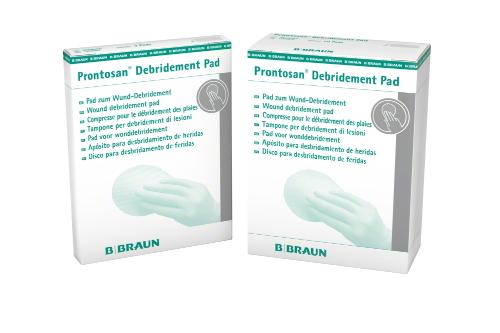
O Prontosan® Debridement Pad foi concebido para apoiar a preparação do leito da ferida quando utilizado em conjunto com o Prontosan® solução.


O Askina® Calgitrol® apresenta uma ampla eficácia antimicrobiana.
O Askina® Calgitrol® Ag+ é um penso para feridas que combina prata antimicrobiana com fibra de celulose reforçada, ajudando a controlar infeções da ferida e exsudado elevado.
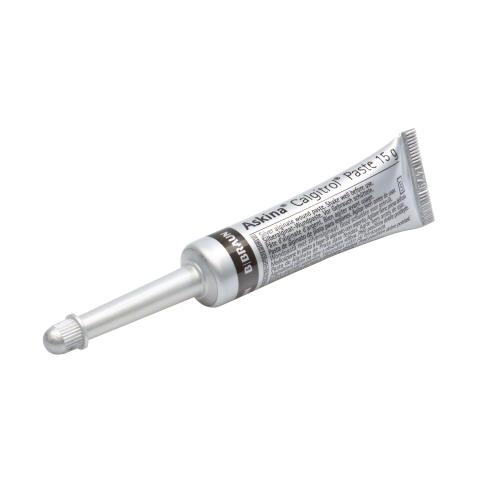
O Askina® Calgitrol® Pasta é uma matriz de alginato de prata iónica em forma de pasta.
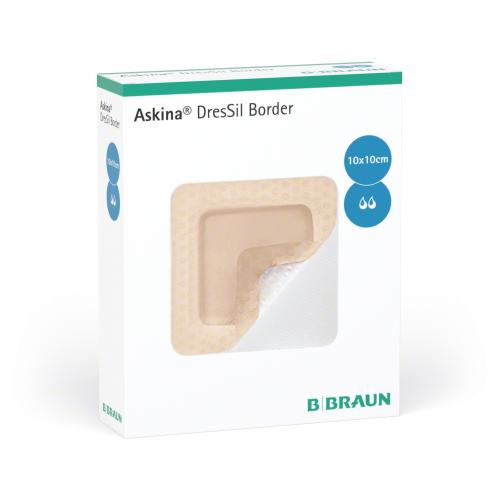
O Askina® DresSil Border é um penso de espuma autoaderente com adesivo de silicone macio de um lado e uma película impermeável, permeável ao vapor, do outro. Com a sua ilha de espuma circular e a borda adesiva adicional, foi especialmente concebido para feridas pequenas e profundas, como as úlceras do pé diabético.


Úlcera profunda que atinge ligamentos e músculos, mas não o osso.
O Prontosan® solução é indicado para a limpeza, humedecimento e descontaminação de feridas agudas e crónicas.
A utilização de Prontosan® Gel X proporciona uma limpeza e descontaminação prolongadas do leito da ferida entre as mudanças de penso.
O Prontosan® Debridement Pad foi concebido para apoiar a preparação do leito da ferida quando utilizado em conjunto com o Prontosan® solução.
O Askina® Calgitrol® apresenta uma ampla eficácia antimicrobiana.
O Askina® Calgitrol® Ag+ é um penso para feridas que combina prata antimicrobiana com fibra de celulose reforçada, ajudando a controlar infeções da ferida e exsudado elevado.
O Askina® Calgitrol® Pasta é uma matriz de alginato de prata iónica em forma de pasta.
O Askina® Sorb e o Askina® Sorb Rope são pensos primários de alginato estéreis indicados para o tratamento de feridas com exsudado moderado a abundante, como as úlceras do pé diabético. Quando em contacto com o exsudado da ferida, as fibras de alginato-CMC gelificam rapidamente e formam um gel húmido macio que favorece a cicatrização natural.
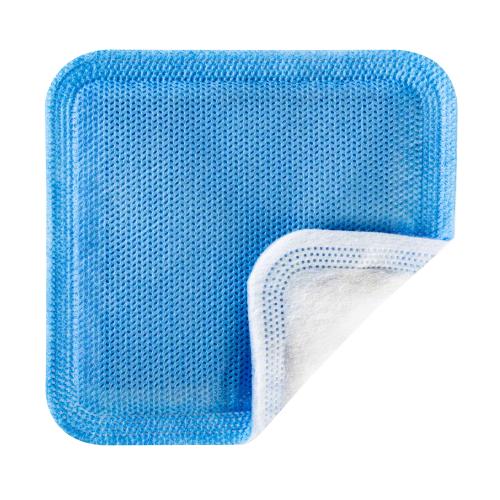
O Askina® DresSil e o Askina® DresSil Border ajudam a manter um ambiente húmido da ferida, favorável às condições naturais de cicatrização, com uma camada de contacto de silicone perfurado, uma espuma de poliuretano altamente absorvente e uma película exterior impermeável, permeável ao vapor.


Úlcera profunda com celulite ou formação de abcesso, muitas vezes com osteomielite
O Prontosan® solução é indicado para a limpeza, humedecimento e descontaminação de feridas agudas e crónicas.
A utilização de Prontosan® Gel X proporciona uma limpeza e descontaminação prolongadas do leito da ferida entre as mudanças de penso.
O Prontosan® Debridement Pad foi concebido para apoiar a preparação do leito da ferida quando utilizado em conjunto com o Prontosan® solução.
O Askina® Calgitrol® apresenta uma ampla eficácia antimicrobiana.
O Askina® Calgitrol® Ag+ é um penso para feridas que combina prata antimicrobiana com fibra de celulose reforçada, ajudando a controlar infeções da ferida e exsudado elevado.
O Askina® Calgitrol® Pasta é uma matriz de alginato de prata iónica em forma de pasta.
O Askina® Foam absorve o exsudado da ferida através da sua espuma de poliuretano, proporcionando um ambiente húmido favorável à cicatrização da ferida. Possui uma película exterior de poliuretano permeável ao vapor, resistente à água e às bactérias.


O Askina® Carbosorb é um penso superabsorvente de carvão ativado, adequado para feridas com exsudado moderado a abundante.

Gangrena localizada
O Prontosan® solução é indicado para a limpeza, humedecimento e descontaminação de feridas agudas e crónicas.
A utilização de Prontosan® Gel X proporciona uma limpeza e descontaminação prolongadas do leito da ferida entre as mudanças de penso.
O Prontosan® Debridement Pad foi concebido para apoiar a preparação do leito da ferida quando utilizado em conjunto com o Prontosan® solução.
O Askina® Calgitrol® apresenta uma ampla eficácia antimicrobiana.
O Askina® Calgitrol® Ag+ é um penso para feridas que combina prata antimicrobiana com fibra de celulose reforçada, ajudando a controlar infeções da ferida e exsudado elevado.
O Askina® Calgitrol® Pasta é uma matriz de alginato de prata iónica em forma de pasta.
O Askina® Foam absorve o exsudado da ferida através da sua espuma de poliuretano, proporcionando um ambiente húmido favorável à cicatrização da ferida. Possui uma película exterior de poliuretano permeável ao vapor, resistente à água e às bactérias.
O Askina® Carbosorb é um penso superabsorvente de carvão ativado, adequado para feridas com exsudado moderado a abundante.